
How to Recycle Freezer Packs

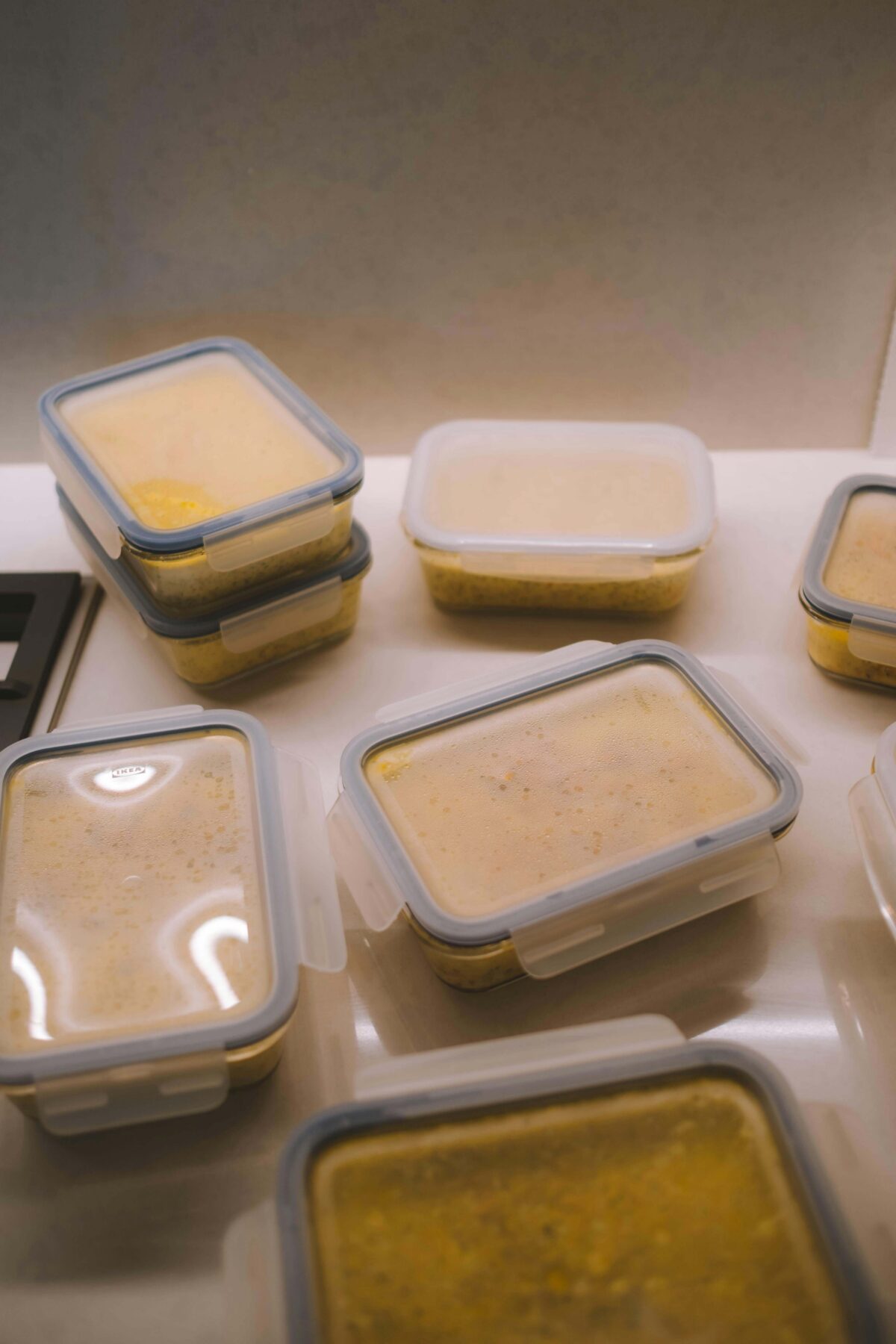
Freezer Packs are widely used to keep food, drinks, medication, and meal deliveries cold, but many people are unsure how to dispose of them properly. Understanding how to recycle freezer packs helps reduce landfill waste, supports eco-friendly living, and prevents unnecessary plastic pollution in the UK, while clarifying local approaches to recycling freezer packs.
Freezer Packs should be reused whenever possible, checked for local recycling eligibility, and disposed of carefully if damaged.
Many cooling packs contain mixed materials that
Can You Recycle Freezer Packs?
Most Freezer Packs have durable plastic outer casings filled with gel or liquid coolant. Because they contain multiple materials, recycling freezer packs through kerbside collections is not always possible. Before disposal, check local council guidance or review information about recycling cooling and refrigeration products to identify the correct waste solution.
Reusable Freezer Packs can often last for years when stored correctly. Keeping them clean and frozen between uses reduces household waste while lowering the demand for disposable cooling products.
How To Dispose of Damaged Freezer Packs
If a Freezer Pack becomes punctured or split, avoid pouring unknown gel directly into drains without checking the packaging instructions.
Some cooling gels are non-toxic, while others require careful disposal through general waste channels.
If you cannot recycle freezer packs due to contamination or damage, follow general waste guidance and contain any leaks.
Place leaking packs inside sealed bags before disposal to prevent contamination.
Reading local recycling recommendations and following sustainable packaging practices can help households minimise environmental impact. This supports safer decisions around recycling freezer packs.
What Are Freezer Packs Made Of?
Freezer Packs typically consist of two components: a plastic casing and a cooling gel inside. The plastic is often recyclable in some areas, but the gel is not always accepted in standard waste streams. This mixed composition is the main reason recycling can be difficult.
Some gels are water-based and non-toxic, while others contain absorbent polymers designed to retain cold temperatures for longer periods. This affects how they should be disposed of safely.
How To Recycle Freezer Packs Properly
The correct process for recycling freezer packs depends on their condition and type.
Reusable freezer packs should always be the first choice. They can be refrozen and used multiple times for lunch bags, medical storage, or food transport, reducing the need for disposable alternatives. Where available, check whether household waste sites or local schemes accept them so you can recycle freezer packs responsibly.
If damaged, the pack should be handled carefully. The gel should never be poured into drains unless clearly labelled as drain-safe, as it may cause plumbing blockages or environmental issues.
Eco-Friendly Ways to Reuse Freezer Packs
Many households reuse Freezer Packs for lunch boxes, picnic coolers, grocery transport, sports injuries, and camping equipment.
Businesses also reuse insulated cooling packs for food deliveries and temperature-sensitive parcels.
Research about practical Freezer Pack reuse ideas continues to encourage sustainable habits and creative recycling methods.
Why Proper Freezer Pack Recycling Matters
Incorrect disposal of Freezer Packs increases plastic waste and places additional pressure on landfill sites. Choosing reusable cooling products and learning about responsible recycling solutions supports cleaner communities and more sustainable waste management throughout the UK.
Proper recycling also helps conserve resources by reducing the need for new plastic manufacturing. Small recycling habits can make a significant environmental difference over time.
Learning how to recycle freezer packs correctly is a simple but effective way to reduce household waste and improve sustainability. Reusing packs, checking local recycling rules, and disposing of damaged products safely all contribute to better environmental protection across the UK.
Environmental Impact of Freezer Packs
Improper disposal of Freezer Packs contributes to landfill buildup and plastic pollution. Since many packs contain non-biodegradable materials, they can persist in the environment for long periods.
Choosing reusable cooling solutions reduces carbon impact and supports circular waste systems. Learning How To Recycle Freezer Packs correctly helps households make more environmentally responsible decisions.