Is Electronic Waste Hazardous Waste?
Electronic waste is often classified as hazardous waste because many electronic devices contain toxic substances that can harm the environment and human health. Items such as laptops, televisions, mobile phones,

Electronic waste is often classified as hazardous waste because many electronic devices contain toxic substances that can harm the environment and human health. Items such as laptops, televisions, mobile phones,
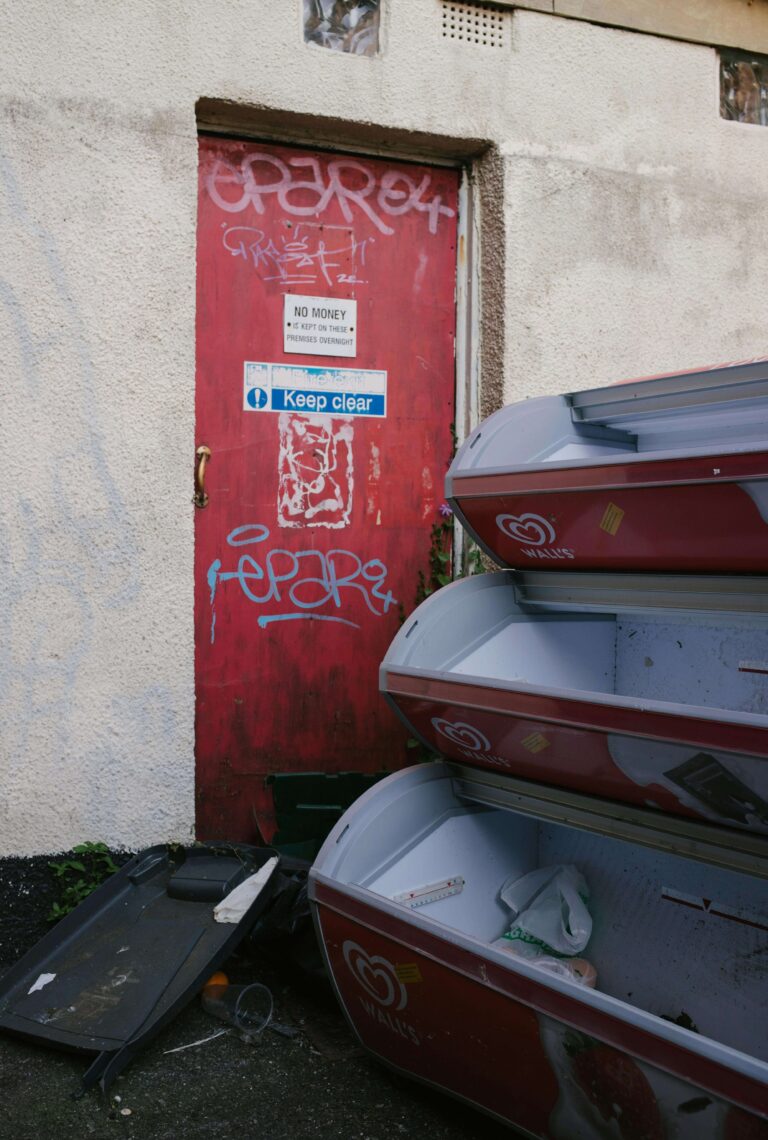
Bulk waste refers to large household waste items that cannot fit inside standard wheelie bins. In the UK, bulky waste collection services help households and businesses remove oversized rubbish safely,
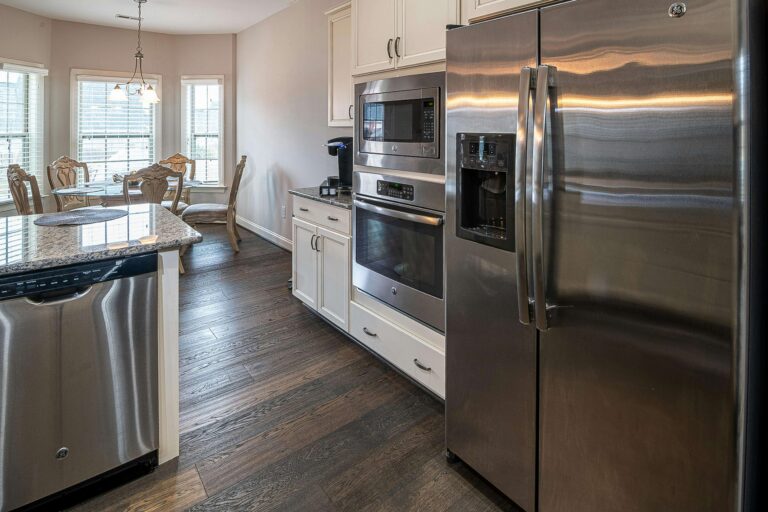
If you are searching for what types of fridges are available, this guide clearly explains the main types of refrigerators used in UK homes. Refrigerators differ by storage space, door
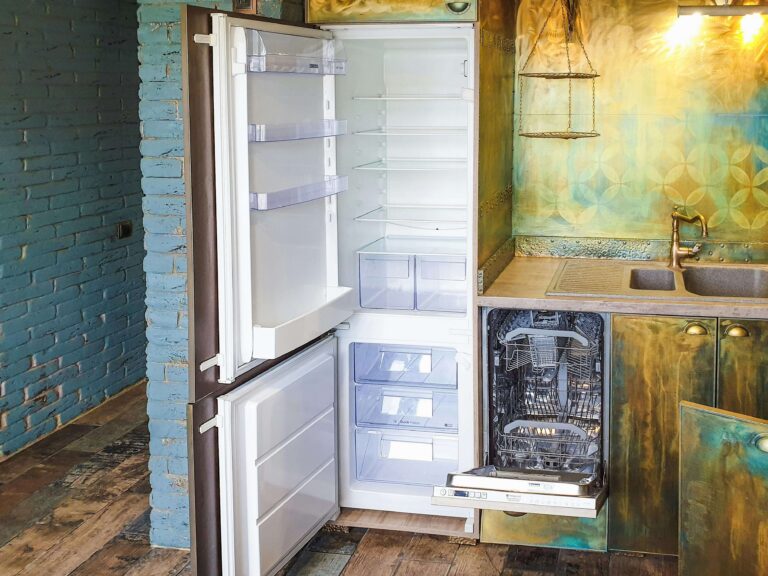
The first stage in preparing for fridge disposal is disconnecting the power and removing all contents. This prevents contamination in household waste systems and avoids odours during transport. Leave the
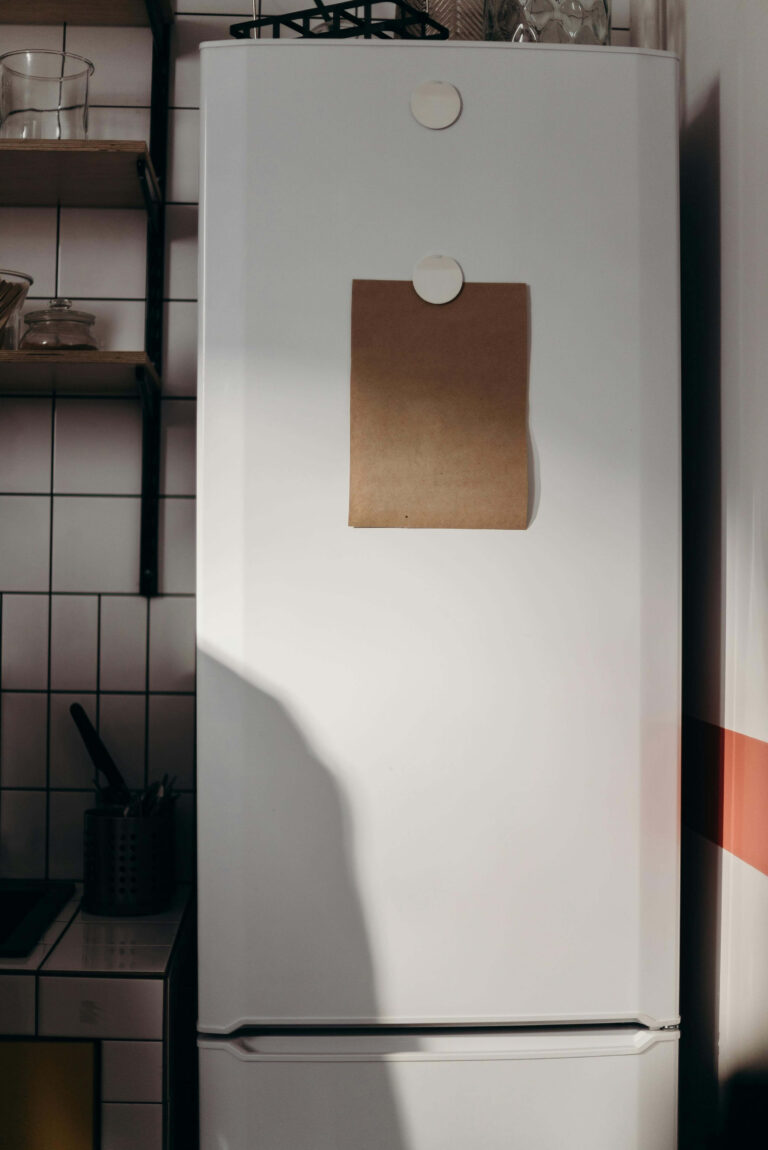
Fridges should be recycled because they contain harmful gases, including ozone-depleting refrigerants, and can increase greenhouse gas emissions if disposed of incorrectly. Recycling fridges through licensed waste facilities ensures safe
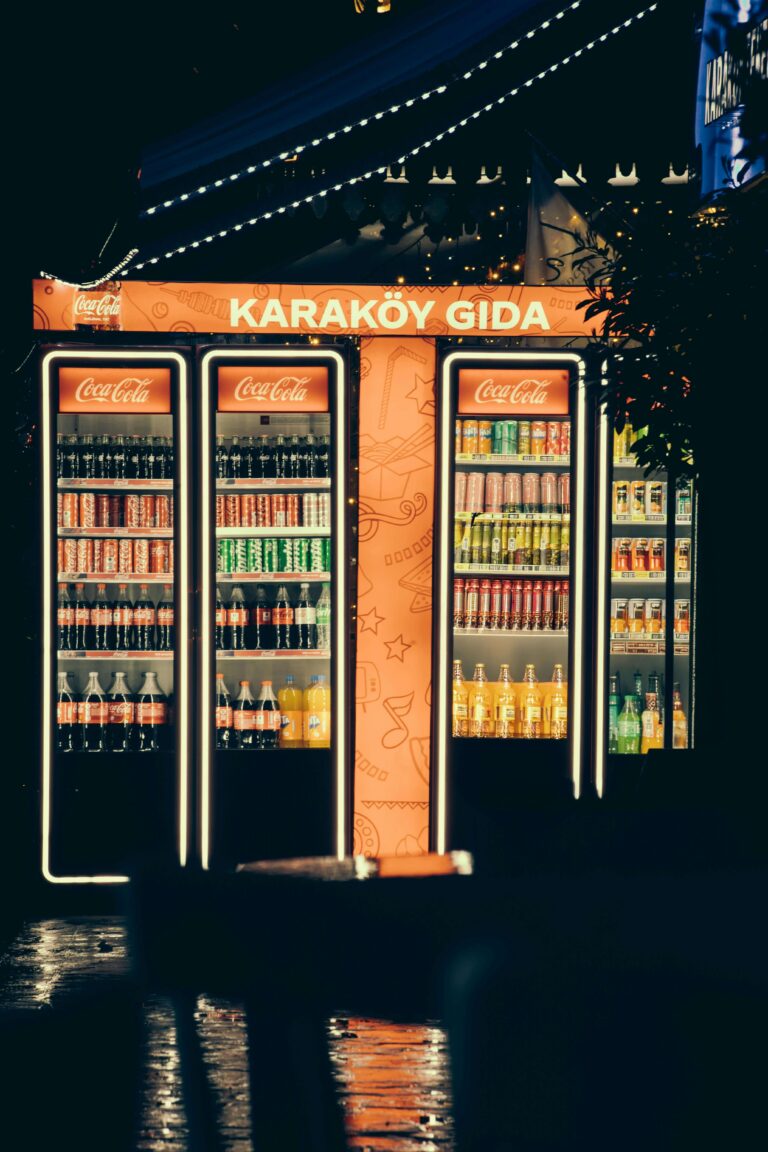
Understanding the difference between a cooler and a fridge is important when choosing the right cooling solution for home, travel, or business use. This cooler vs. fridge overview will help
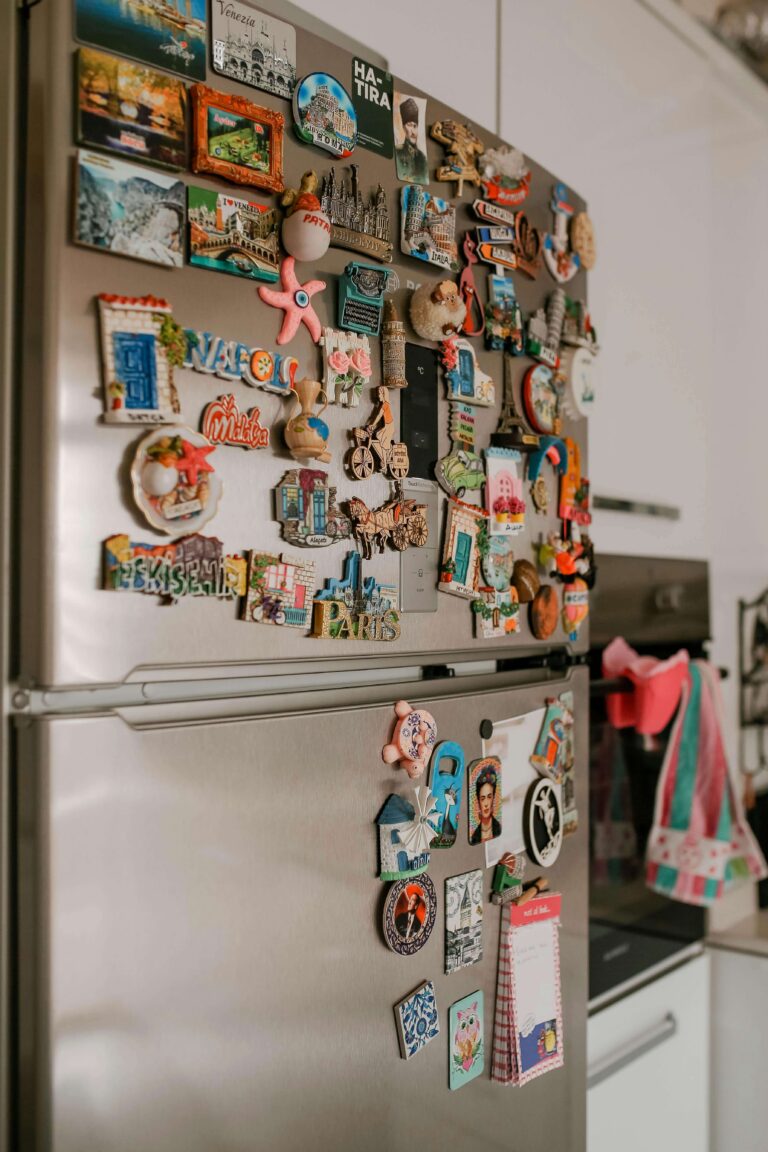
A fridge is mainly made from stainless steel, aluminium, and copper. Stainless steel forms the structure, aluminium improves heat transfer in the cooling system, and copper powers the electrical components.

Fridge shelves are mainly made from polycarbonate, acrylic, or ABS plastic. Polycarbonate is the strongest and most durable, acrylic offers better visibility, and ABS is a cost-effective option used in