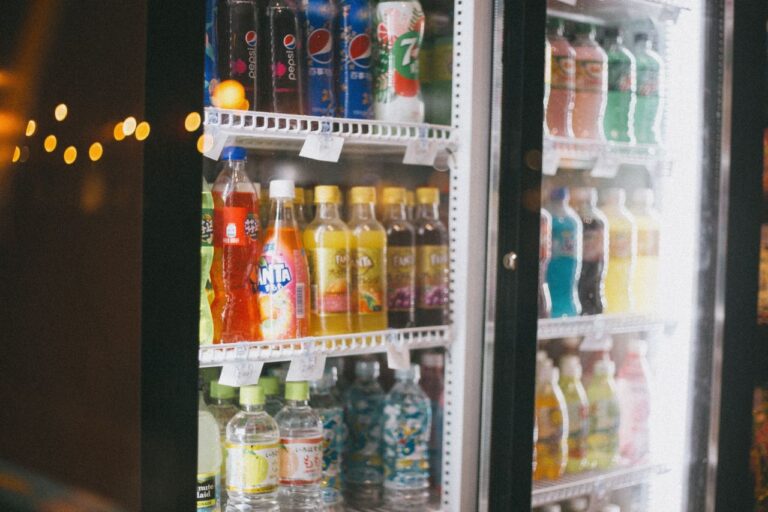
A fridge is mainly made from stainless steel, aluminium, and copper. Stainless steel forms the structure, aluminium improves heat transfer in the cooling system, and copper powers the electrical components. Together with refrigerants, which include gases, these materials allow newer models to maintain efficient and stable cooling performance.
A modern fridge is built from multiple metals and engineered materials that support durability, energy efficiency, and continuous cooling system operation. The type of metal in the fridge varies by component, balancing durability with heat transfer and electrical performance.
Instead of relying on one material, manufacturers combine stainless steel, aluminium, and copper to create a balanced system that works with sealed refrigerants, including gases inside advanced cooling systems found in newer models. In short, the common metal in fridge construction is a mix rather than a single material.
Stainless Steel as the Core Structural Material
Stainless steel is the main external material used in most fridges. It provides structural strength and long-term corrosion resistance, especially in humid kitchen environments where temperature changes are constant.
Inside the appliance, stainless steel also supports framing and panel stability. This ensures the cooling system remains protected and properly aligned over time.
Aluminium in Thermal Regulation and Cooling Efficiency
Aluminium is essential in heat exchange processes. It is used in evaporator coils and internal cooling components where rapid temperature transfer is required.
Because aluminium is lightweight and highly conductive, it improves energy efficiency in newer models. It allows the cooling system to respond quickly to temperature changes without excessive energy consumption.
This material is also widely used in air conditioning systems due to its strong thermal performance and efficiency in continuous cooling cycles.
Copper in Electrical Distribution and Compressor Power
Copper is responsible for powering the fridge’s internal electrical network. It is used in wiring, compressor motors, and control circuits.
Its high conductivity ensures stable energy transfer, allowing the cooling system to operate without interruption. This reliability is essential for maintaining consistent internal temperatures and preventing system overload.
Copper also supports long operational lifespans, making it one of the most valuable metals inside refrigeration technology.
Refrigerants Include Controlled Gas Circulation Systems
Refrigerants include engineered gases that move through sealed copper and aluminium pathways. These gases absorb heat from inside the fridge and release it externally, creating a continuous cooling cycle.
In modern systems, refrigerants include more environmentally efficient formulations designed to reduce global warming impact while maintaining strong cooling performance.
This sealed system works in sync with metal components to regulate temperature precisely.
Cooling System Design in Newer Models
Newer models use improved material combinations to increase energy efficiency and reduce environmental impact. Stainless steel provides durability, aluminium enhances thermal exchange, and copper ensures electrical stability.
These materials are carefully arranged within the cooling system to maximise airflow, reduce energy loss, and extend appliance lifespan.
Manufacturers also improve insulation and sealing techniques to support better temperature retention.
Corrosion Resistance and Appliance Longevity
Corrosion resistance is a major reason stainless steel is widely used in fridge manufacturing. Kitchens often expose appliances to moisture, spills, and heat variation, making protective materials essential.
Coated steel and treated surfaces help reduce wear and maintain hygiene standards. This ensures the fridge remains functional and visually clean over many years of use.
How Metals Work Together in Cooling Performance
Each metal inside a fridge plays a specific role in maintaining the cooling system. Stainless steel forms the protective shell, copper enables electrical function, and aluminium improves heat exchange efficiency.
When combined with refrigerants, including gases, these materials create a stable thermodynamic cycle that keeps food safely preserved at consistent temperatures.
Environmental Impact and Recycling Value
Fridges are highly recyclable appliances because most internal components are made from reusable metals. Steel, aluminium, and copper can all be recovered and processed for reuse.
Proper recycling also ensures refrigerants, including gases, are safely removed before dismantling begins, reducing environmental risk and supporting sustainable waste management.