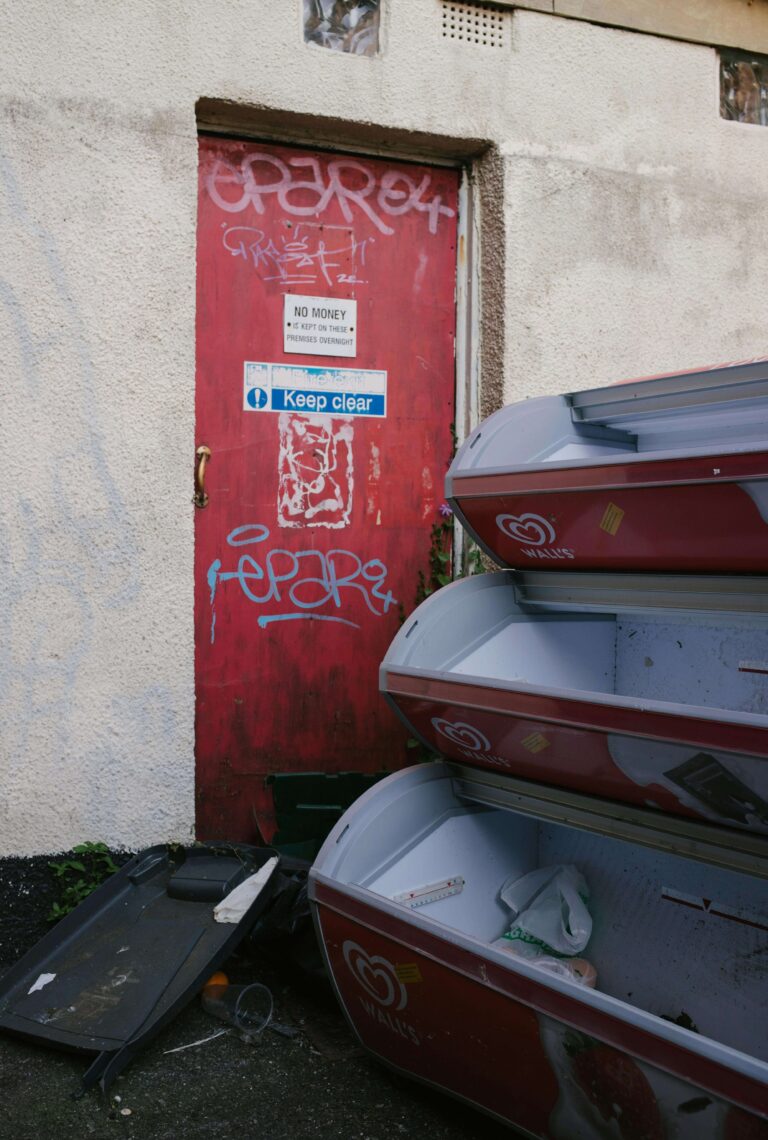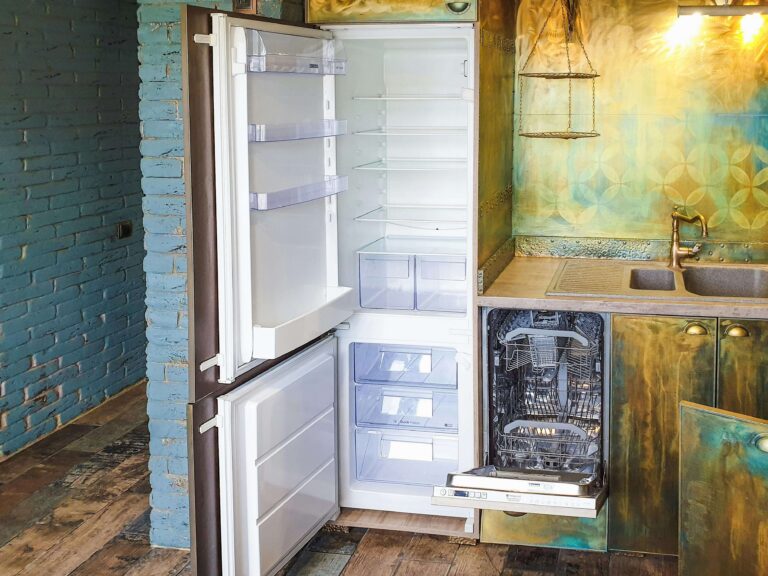
Electronic waste is often classified as hazardous waste because many electronic devices contain toxic substances that can harm the environment and human health. Items such as laptops, televisions, mobile phones, batteries, and refrigerators may include lead, mercury, lithium, cadmium, and flame retardants. Without proper waste disposal and recycling, these materials can contaminate soil, water supplies, and air quality. These are among the hazards of electronic waste that require careful handling and responsible disposal.
The UK generates large amounts of waste electrical and electronic equipment every year. Safe recycling and responsible waste management reduce landfill pollution, recover valuable materials, and help businesses comply with environmental regulations.
Is Electronic Waste Hazardous Waste?
Electronic waste is hazardous waste when it contains harmful materials such as lead, mercury, cadmium, or lithium batteries. Improper disposal can pollute the environment and create health risks. Recycling waste electrical and electronic equipment through authorised facilities helps prevent contamination and supports sustainable waste management.
What Is Electronic Waste?
Electronic waste refers to discarded electrical devices and electronic products that are no longer wanted, usable, or repairable. In the UK, this type of waste is known as waste electrical and electronic equipment under WEEE regulations.
Electronic waste includes computers, televisions, mobile phones, batteries, printers, kitchen appliances, cables, networking devices, and office equipment. Correct handling of waste electrical and electronic equipment helps reduce landfill waste and supports responsible recycling across the UK. Many electronic items contain recyclable materials, but they may also include hazardous substances that require specialist waste disposal and recycling.
Why Is Electronic Waste Considered Hazardous Waste?
Electronic waste becomes hazardous waste because many electronic devices contain toxic chemicals and dangerous components. These materials can create serious environmental and health risks if they are not disposed of safely.
Hazardous Materials Found in E-Waste
Electronic devices may contain lead, mercury, cadmium, lithium batteries, and flame retardants. These hazardous wastes can pollute soil, water, and air if electronic items are disposed of incorrectly.
Lead from circuit boards may damage the nervous system, while mercury from screens and lighting equipment can contaminate water supplies. Lithium batteries also create fire risks when damaged or crushed during transport.
The presence of these materials is why electronic waste requires responsible waste management and regulated disposal practices across the UK.
UK Regulations for Electronic Waste Disposal
The UK regulates electronic waste through environmental legislation designed to control hazardous wastes and improve recycling rates.
Waste Electrical and Electronic Equipment Regulations
The Waste Electrical and Electronic Equipment Regulations encourage responsible collection, recycling, and treatment of electronic products. Businesses handling electronic waste must ensure items are processed by authorised recycling providers.
Correct recycling procedures reduce environmental damage and support sustainable resource recovery. Businesses managing old appliances and electrical items can improve compliance through specialist waste disposal services designed for safe collection and recycling.
Hazardous Waste Compliance
Electronic waste containing toxic substances must be handled according to UK hazardous waste regulations. Waste producers have a legal duty to store, transport, and dispose of hazardous electronic materials safely.
Failure to follow these regulations may result in environmental penalties, prosecution, and reputational damage for businesses.
Environmental Impact of Electronic Waste
Improper waste disposal creates serious environmental damage. Electronic waste dumped in landfill sites can release toxic substances into the ground and nearby water systems. Burning old electronics also produces dangerous air pollution that affects surrounding communities.
Recycling waste electrical and electronic equipment helps recover valuable materials such as copper, aluminium, gold, and plastics. Reusing these resources reduces the demand for mining and supports sustainable waste management practices.
How to Dispose of Electronic Waste Safely
Safe disposal starts with separating unwanted electronic items from general rubbish. Electrical products should never be placed in household bins because hazardous materials may leak during landfill disposal.
Consumers and businesses should use authorised recycling facilities that specialise in waste electrical and electronic equipment. Approved recycling centres dismantle electronic products safely, recover reusable materials, and prevent hazardous wastes from polluting the environment.
Before recycling computers, hard drives, and mobile devices, confidential information should be removed securely to reduce the risk of data breaches. Businesses handling commercial electronic equipment often benefit from professional collection services and structured recycling programmes.
Battery separation is also essential. Damaged lithium-ion batteries can overheat or ignite during storage and transportation. Storing batteries in secure containers lowers fire risks and improves recycling safety.
Benefits of Electronic Waste Recycling
Recycling electronic waste reduces landfill pollution, conserves natural resources, and supports a cleaner environment. Recovering reusable materials lowers manufacturing demand and reduces energy consumption.
Responsible waste management also supports the circular economy by keeping materials in use for longer. Businesses that recycle electronic equipment correctly can improve sustainability performance while remaining compliant with UK regulations.
How Businesses Can Improve Electronic Waste Management
Businesses produce electronic waste through office upgrades, damaged appliances, outdated IT systems, and electrical maintenance work. A structured recycling strategy improves compliance while reducing environmental impact.
Regular audits help organisations identify redundant equipment and improve storage practices for hazardous wastes. Choosing energy-efficient products with longer lifespans can also reduce future waste.
Certain electronic products require extra care because they contain hazardous components.
These include:
Computer monitors and CRT screens
Fluorescent lighting tubes
Medical electronic equipment
UPS battery systems
Smoke detectors
Air conditioning units
Large industrial batteries
Using specialist waste management companies ensures these items are processed safely and legally.
In many cases, yes. Electronic devices often contain toxic materials that can harm the environment and human health if disposed of incorrectly. Proper electronic waste disposal and recycling reduce pollution, conserve valuable resources, and support UK sustainability goals.
Businesses and households should always use authorised recycling services, follow WEEE regulations, and dispose of hazardous electronic waste responsibly. Safe recycling protects communities, reduces landfill waste, and supports a cleaner future.
At FridgeCycle, we specialist in recycling fridges, freezers and vending machines. If you need help safely disposing of this electronic equipment, get in touch with our team to receive a quote.