If you are searching for what types of fridges are available, this guide clearly explains the main types of refrigerators used in UK homes. Refrigerators differ by storage space, door style, energy efficiency, and cooling performance. Choosing the right model helps improve kitchen organisation, reduce electricity usage, and manage both fresh and frozen foods effectively. Below, we outline the types of fridges available for different households and kitchen sizes across the UK.
Modern Refrigerator Categories in UK Homes
Understanding the types of fridges and how different models are designed for specific lifestyles helps you narrow your choices. Modern households increasingly choose energy-efficient appliances that reduce electricity consumption while maintaining consistent cooling performance. If you’re comparing what types of fridges are available, focus on capacity, layout, and energy ratings to guide your shortlist.
Main Refrigerator Types
Top Freezer Refrigerators
Top freezer refrigerators remain one of the most traditional and practical options. The freezer is positioned above the refrigerator compartment, making it easy to access daily essentials. This design supports stable temperature controls and reliable cooling. They are ideal for smaller kitchens and rental homes where space between kitchen cabinets is limited, and they are cost-effective and easy to maintain.
Bottom Freezer Refrigerators
Bottom freezer models place the freezer drawer or compartment below the fridge. This prioritises eye-level access to fresh foods, which many households open most often. They can improve ergonomics while offering solid freezer capacity.
Side-by-Side Refrigerators
Side-by-side refrigerators divide the appliance vertically, separating fresh and frozen sections. This structure improves organisation and allows easy access without bending. Many models include ice and water dispensers for added convenience.
French Door Refrigerators
French door refrigerators use two upper doors with a bottom freezer drawer, offering flexible organisation and improved accessibility. They are widely used in modern UK kitchens due to efficient use of storage space and a stylish appearance. Opening one door at a time can help reduce cold air loss, and advanced temperature controls support better food preservation across compartments.
Counter-Depth Refrigerators
Counter-depth refrigerators are designed to sit flush with kitchen surfaces, creating a built-in look. Narrower doors make them suitable for tighter spaces. While they may have slightly reduced freezer capacity, they provide a seamless finish that blends with kitchen cabinets.
Integrated Built-In Refrigerators
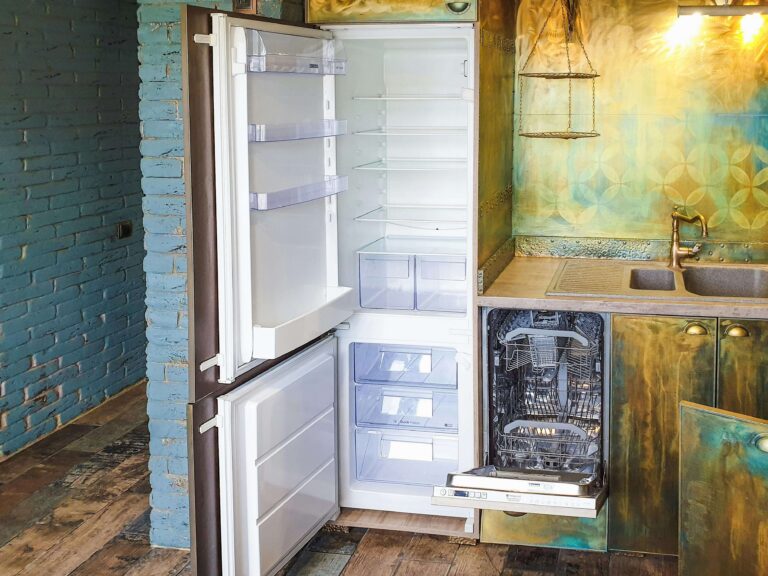
Integrated built-in units are fitted within cabinetry for a fully seamless appearance, often with cabinet-matched doors. They are ideal for premium, cohesive kitchen designs and can offer flexible configurations. Note that installation and ventilation requirements differ from freestanding models.
Compact and Mini Fridges
Compact mini fridges suit small homes, offices, studios, and bedrooms where minimal storage is needed. They are space-saving and economical but offer limited capacity and fewer advanced features compared to full-sized units.
Full-Sized Refrigerators
Full-sized refrigerators are designed for large households requiring maximum capacity. They provide separate zones for fresh and frozen foods, along with adjustable shelving for better organisation. These models typically include advanced temperature controls and multi-zone cooling systems, but they require more kitchen space and are best suited for larger homes.
Features and Considerations
Ice and Water Dispensers
Many modern refrigerators include built-in ice and water dispensers located in the door. These features are commonly found in side-by-side and premium French door models. They add convenience but require regular maintenance to ensure clean water flow and efficient operation over time.
Energy Efficiency and Cooling Performance
Energy efficiency is an important factor when comparing different types of refrigerators. Modern appliances are designed to reduce electricity usage while maintaining stable cooling. Efficient temperature controls help maintain freshness in both the refrigerator compartment and freezer sections, improving long-term food storage.
Door Style and Kitchen Space Planning
The door style of a refrigerator affects usability and kitchen layout. Wide doors on a French door refrigerator improve access to large items, while vertical side-by-side designs improve compartment separation. The way the door opens can impact movement in compact kitchens, especially where the space between kitchen cabinets is limited.
Choosing the Right Types of Refrigerators
Selecting between different types of refrigerators depends on household size, kitchen space, and budget. Compact models suit small homes, while full-sized, French door, or side-by-side units are better for families needing higher storage space and better organisation. When weighing the types of fridges available, match capacity and door style to how you shop, cook, and store food.
Maintenance and Long-Term Efficiency
Proper maintenance ensures refrigerators run efficiently for years. Keeping temperature controls stable and avoiding overcrowding the refrigerator compartment helps maintain airflow. Regular cleaning supports better cooling for both fresh items and frozen foods across all types of fridges available.
Once your fridge reaches the end of its life, or requires removal, we are here to help. Our specialist team is on hand to collect and recycle fridges and freezers for businesses nationwide.