Understanding the difference between a cooler and a fridge is important when choosing the right cooling solution for home, travel, or business use. This cooler vs. fridge overview will help you decide based on how you plan to use it. Although both are designed to keep items cold, they operate using completely different systems, which directly affects temperature stability, energy consumption, and storage safety.
A fridge is a fixed appliance that delivers controlled refrigeration through a compressor system, making it suitable for long-term food preservation. A cooler, however, is usually portable and depends on insulation or limited electrical cooling, making it ideal for short-term use rather than continuous storage.
What’s the Difference Between a Cooler and a Fridge?
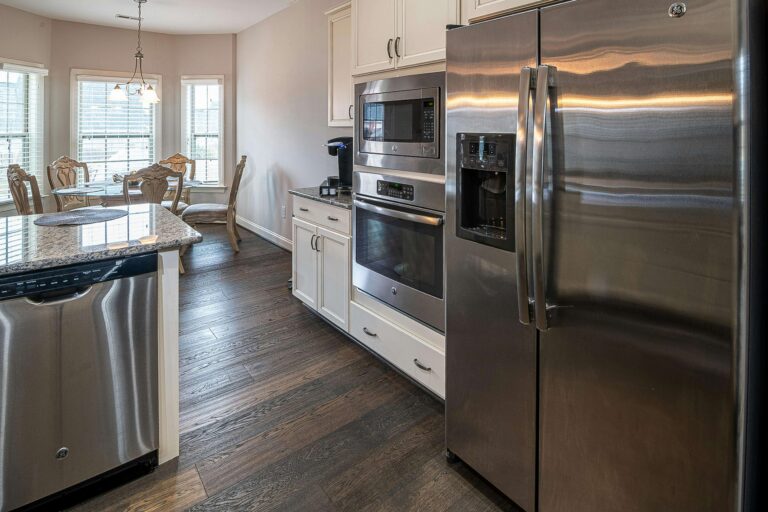
A fridge is a permanent appliance that uses a compressor-based system to maintain stable temperatures for long-term food storage, while a cooler is a portable device that uses insulation, ice, or low-power cooling to keep items chilled for short durations without precise temperature control.
Core Cooling System Differences
A fridge operates through a vapour compression cycle that actively removes heat from inside the unit and regulates internal temperature automatically. This allows precise control regardless of external weather conditions.
A cooler does not actively regulate temperature in the same way. Instead, it slows heat transfer. Ice-based coolers depend on frozen packs that gradually melt, while thermoelectric models use electrical resistance cooling that has limited efficiency in hot environments.
This fundamental difference is the reason fridges are used for food safety compliance, while coolers are used for convenience and mobility.
Temperature Stability and Food Safety
Fridges maintain a consistent internal range of approximately 1°C to 5°C, which is essential for slowing bacterial growth and preserving perishable food.
Coolers cannot guarantee stable temperature control. Their internal environment fluctuates depending on external heat, insulation quality, and cooling source duration. This makes them unsuitable for storing raw meat, dairy, or long-life perishables for extended periods.
Energy Consumption and Efficiency
Fridges are designed for continuous operation and consume electricity throughout the day. However, modern energy-efficient models reduce consumption using inverter compressors and improved insulation systems.
Coolers vary significantly in energy usage. Ice-based models require no electricity, while electric coolers use low-voltage power and are often powered via vehicles or portable batteries. Their efficiency depends on usage duration and ambient temperature conditions.
Storage Capacity and Functional Design
A fridge is structured for bulk and organised storage with separate compartments for vegetables, dairy, and frozen goods. It is a central appliance in both domestic and commercial environments.
Coolers are compact and prioritised for portability rather than organisation. They are commonly used for picnics, road trips, temporary storage during transport, or outdoor activities where access to a fridge is unavailable.
Durability, Lifespan, and Maintenance
Fridges typically last many years with proper maintenance, including coil cleaning, seal inspection, and airflow management. They are built for continuous long-term operation.
Coolers have a simpler structure and generally require less maintenance, but their lifespan depends on usage type. Ice coolers may degrade due to wear and insulation loss, while electric models may require electrical component checks over time.
Environmental Impact and Responsible Disposal
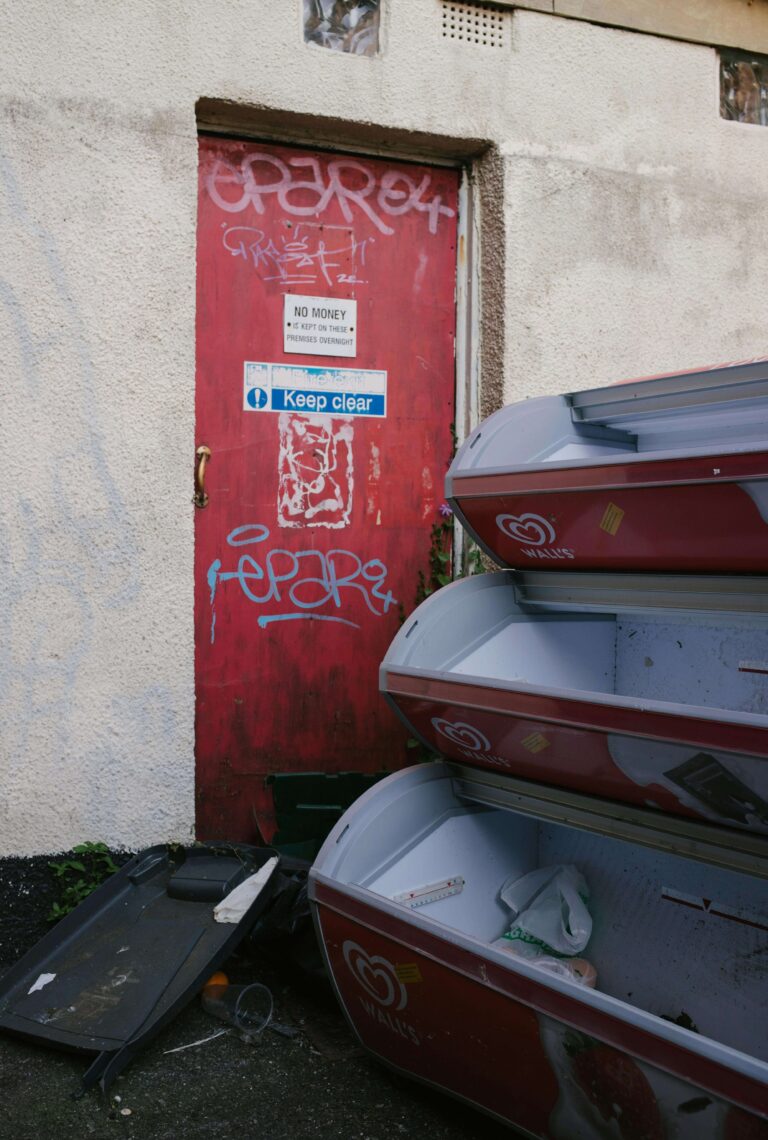
Old refrigeration units should be disposed of responsibly due to internal gases and recyclable components. Proper recycling prevents environmental damage and supports sustainable waste management systems.
Understanding proper disposal methods helps reduce landfill waste and improves recycling efficiency across household and commercial sectors.
Fridge Types and Usage Variations
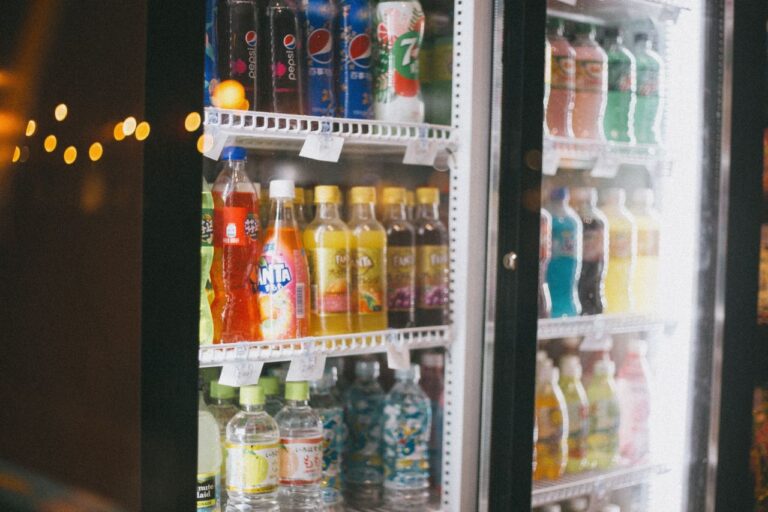
Different fridge designs exist depending on usage requirements, including domestic fridges, under-counter units, and commercial refrigeration systems. Each type is built for specific cooling loads and storage demands.
When to Use a Cooler Instead of a Fridge
Coolers are most effective in situations where portability is essential. They are commonly used during travel, camping, festivals, or temporary transport of chilled goods.
Unlike fridges, they are not intended for permanent installation or continuous food storage. Their value lies in flexibility rather than long-term reliability.
Support and Guidance for Cooling Solutions
In summary, if you’re comparing cooler vs. fridge options and wondering “what’s the difference between a cooler and a fridge?”, focus on portability, temperature precision, energy use, and storage safety when choosing the right solution.