
How To Prepare A Fridge For Disposal

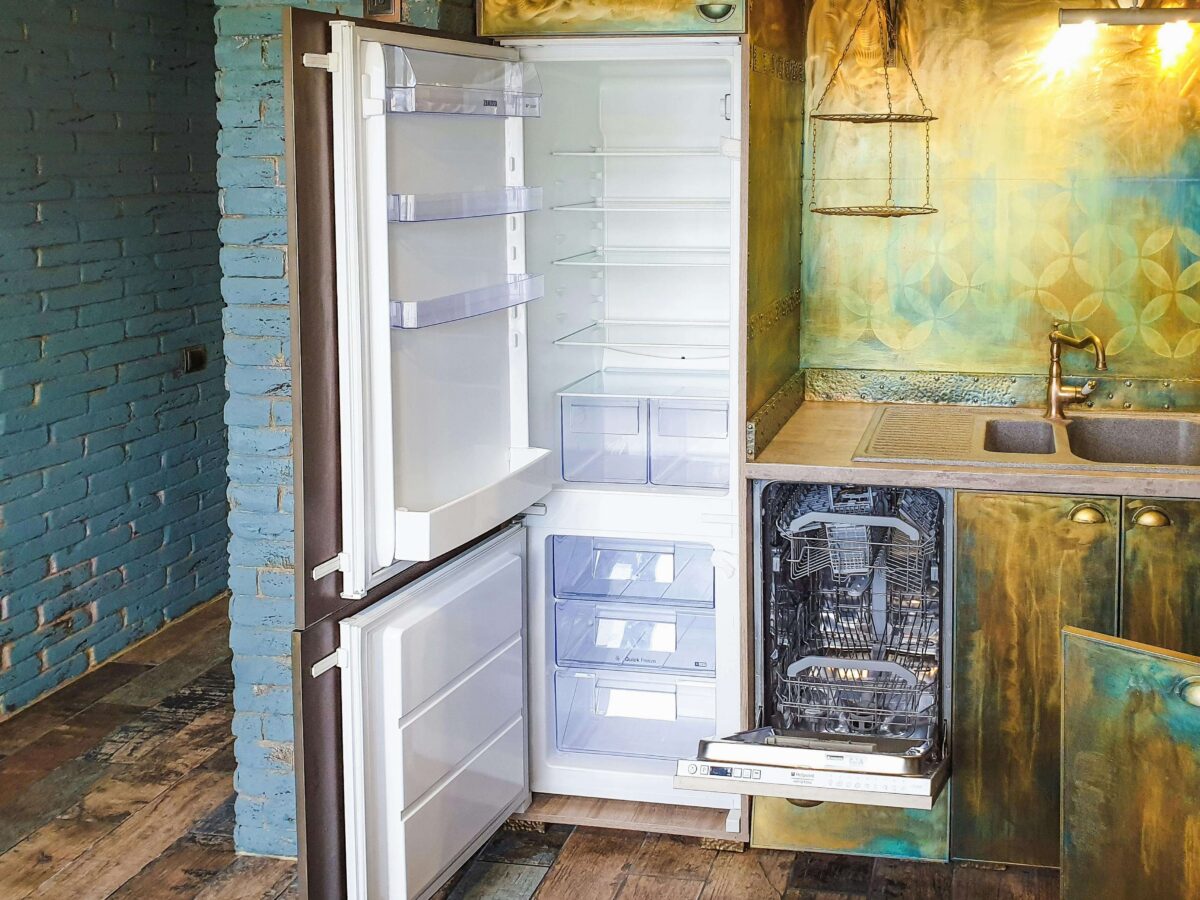
The first stage in preparing for fridge disposal is disconnecting the power and removing all contents. This prevents contamination in household waste systems and avoids odours during transport. Leave the appliance unplugged for several hours so ice melts naturally and internal moisture drains completely.
You need to consider the Steps in preparing for Fridge Disposal:
Prepare your fridge by emptying, unplugging, defrosting, cleaning, and securing the doors before disposal.
Use licensed professional removal services, council bulky waste collections, or recycling centres to ensure safe handling of refrigerants and components.
Check if the appliance is still functional to enable reuse or resale and reduce waste.
Proper preparation improves safety, supports UK environmental regulations, and enhances recycling outcomes.
Once defrosted, wipe surfaces to keep the fridge or freezer in a clean condition suitable for recycling centres. Keeping the unit in good working order can improve reuse potential or resale value in some cases.
Different white goods require different handling methods. You can check appliance categories here: white goods types guide to understand how refrigerators, freezers, and other appliances are processed in recycling systems.
After preparation, secure all doors with tape or rope to prevent movement. This step is important for safety during handling by a removal team or when using bulky waste collections arranged by your local council.
Professional removal team for safe disposal
Using a professional removal team ensures your fridge or freezer is handled safely from your home to recycling centres, supporting compliant fridge disposal. These specialists follow strict waste management rules, ensuring refrigerants and electrical components are treated correctly.
Professional collection services reduce injury risks and make it easier for households to comply with environmental regulations. They also ensure appliances are transported efficiently without damage or leakage.
Recycling centres and bulky waste collections
Once prepared, appliances can be taken to recycling centres or collected via bulky waste collections offered by local councils. These services ensure safe processing of household waste and recovery of reusable materials such as metal, plastic, and insulation components.
Bulky waste collections are ideal when moving large appliances that cannot be transported easily. These services are scheduled in advance and ensure your fridge or freezer is collected directly from your property.
Recycling centres follow strict environmental standards to ensure harmful gases are removed safely. This prevents pollution and supports long-term sustainability goals across the UK.
Advanced disposal preparation tips
Before arranging collection services, check whether the appliance is still functional. A fridge or freezer in good working order may be reused, donated, or resold, reducing overall household waste. When preparing for the disposal of fridge equipment, this quick assessment helps decide between reuse and recycling.
Always confirm that internal shelves are removed and cleaned separately to prevent damage during transport. This improves efficiency when processed at recycling centres and speeds up dismantling.
Avoid leaving appliances outdoors for long periods, as exposure to weather can damage components and reduce recycling value. Proper storage until pickup ensures safer handling by a removal team.
Licensed waste management providers ensure compliance with UK regulations, especially when dealing with refrigerant gases. This prevents illegal dumping and protects environmental safety standards.
Why correct preparation matters
Correct preparation supports efficient recycling systems and reduces strain on landfill sites. It also improves recovery rates of valuable materials used in manufacturing new products.
Following structured steps on how to prepare a fridge for disposal ensures compliance with UK environmental laws and supports circular economy goals. It also helps local recycling services operate more effectively.
Choosing a certified collection service guarantees safe transport and responsible processing of white goods. It also reduces risks associated with improper disposal and supports cleaner communities.
Preparing for fridge disposal involves simple but essential steps: emptying, defrosting, cleaning, securing, and arranging licensed collection services. Using a removal team or recycling centres ensures safe handling and proper waste management of white goods across the UK.
By following these steps, households improve recycling outcomes, reduce environmental impact, and ensure compliance with local recycling and bulky waste collection systems.