Are Fridges Hazardous Waste?

Understanding whether fridges and freezers are classified as hazardous waste is important for safe and legal disposal in the UK. People often ask, “Are fridges hazardous waste?” These appliances contain substances that can harm the environment if released improperly, making responsible handling essential. Knowing how to manage fridges and freezers correctly helps reduce pollution and supports effective recycling systems across the country. 

Why Fridges and Freezers Are Classified as Hazardous Waste

Fridges and freezers are classified as hazardous waste because they contain refrigerants, insulating foams, and oils that can be harmful to the environment. Many of these materials include ozone-depleting substances that damage the ozone layer when released into the atmosphere.

These components are tightly regulated under UK environmental laws because even small leaks can contribute to long-term climate impact. For this reason, specialist treatment is required rather than standard household waste disposal.

Environmental Impacts of Fridges and Freezers

Improper disposal of fridges and freezers can lead to serious environmental impacts. When refrigerant gases escape, they contribute to greenhouse gas emissions and accelerate global warming. These emissions also damage the ozone layer, which protects the Earth from harmful ultraviolet radiation.

If dumped in a landfill, these appliances may leak oils and chemicals into soil and groundwater. This creates long-term pollution risks that affect ecosystems, wildlife, and even human health. Proper recycling helps prevent these issues by ensuring all harmful substances are safely removed.

How to Dispose of a Fridge or Freezer Safely

To dispose of a fridge or freezer safely in the UK, it is important to use authorised waste services. Local councils often provide bulky waste collection, and many retailers offer take-back services when delivering a new appliance.

Using professional services ensures that hazardous materials are handled correctly and prevents illegal dumping. It is not safe or legal to dismantle a fridge yourself, as this may release harmful gases into the environment.

Responsible disposal also supports national recycling targets and reduces pressure on landfill sites.

Recycling Process for Fridges and Freezers

The recycling process for fridges and freezers is highly controlled to ensure environmental safety. First, refrigerant gases are carefully extracted using specialised equipment to prevent atmospheric release. These gases are then safely processed or destroyed.

Next, the appliance is dismantled, and materials such as steel, aluminium, copper, and plastic are separated for reuse. Insulation materials are also treated to ensure no harmful substances remain.

This structured process ensures that valuable materials are recovered while hazardous elements are fully neutralised. It is one of the most effective ways to reduce waste and support the circular economy.

Legal Classification in the UK

In the UK, fridges and freezers are legally classified as hazardous waste under the Waste Electrical and Electronic Equipment (WEEE) regulations. These laws require that all cooling appliances be handled by approved recycling facilities.

This classification ensures that harmful substances such as ozone-depleting substances are not released into the environment. It also guarantees that recycling is carried out in a safe and traceable manner.

Failure to follow these regulations can result in fines and environmental penalties, especially for businesses handling large volumes of electrical waste.

Key Points to Remember

Fridges and freezers must always be treated as hazardous waste due to their chemical components and environmental risks. Safe disposal protects air, soil, and water quality while supporting responsible resource recovery.

Using licensed recycling services ensures compliance with UK law and helps reduce environmental damage. Proper handling also supports sustainability by recovering valuable materials for reuse in manufacturing.

Understanding how to dispose of these appliances correctly is essential for both households and businesses aiming to reduce their environmental footprint.

Are Fridges and Freezers Classified as Hazardous Waste?

Fridges and freezers are classified as hazardous waste because they contain substances that can harm the environment if not managed properly. Following the correct recycling process and using authorised disposal services ensures safe treatment of harmful materials.

By understanding environmental impacts and legal requirements, individuals can make responsible choices that protect the planet and support sustainable waste management in the UK.
Can You Dispose of a Fridge Freezer at the Tip?

You can dispose of a fridge freezer at the tip, but only at approved local council recycling centres where fridges and freezers are treated as electrical items and managed as hazardous waste. They cannot be placed in general waste because of refrigerant gases and environmental safety laws.

Can You Dispose of a Fridge Freezer at the Tip?

The answer depends on strict local council regulations, as these items fall under controlled electrical waste rules rather than standard household waste.

Most recycling centres accept fridges and freezers, but disposal must follow specific environmental procedures. Site staff will guide you to designated areas where cooling appliances are safely processed to prevent harmful gas leaks.

It is important to check guidance before visiting, especially for larger units or commercial-style appliances. Some councils may require you to arrange a collection instead of a drop-off, depending on size and condition.

UK Council Rules for Fridge and Freezer Disposal

Local council policies ensure that electrical items are not mixed with general waste. Fridges and freezers must be handled separately due to hazardous waste components inside the cooling system.

If you are unsure about disposal requirements, review approved information on safe fridges and freezers recycling options before visiting a centre. This helps ensure compliance and avoids rejected drop-offs.

Charity shop donation is only possible if the appliance is fully working, energy efficient, and safe to reuse. Otherwise, recycling centres remain the primary solution.

Safe Recycling and Collection Services

Recycling centres follow regulated processes to recover materials like metal, insulation, and plastics while safely removing refrigerants. This prevents environmental contamination and supports national recycling targets.

If transport is difficult and you need to dispose of a fridge freezer, you can arrange a collection for fridges and freezers through council booking systems or approved services. This is often the safest option for heavy or integrated appliances.

Understanding appliance categories also helps with correct disposal. Different types of fridge and freezer systems may require slightly different handling depending on size and construction.

For full service details and compliance information, official guidance on fridge freezer recycling services explains how safe processing is carried out.

Key Disposal Insight

Fridge freezers cannot go into general waste because they contain gases classed under hazardous waste regulations. Local council recycling centres ensure these materials are removed safely before recycling begins.

Always confirm disposal rules before collection or drop-off to avoid penalties and ensure compliance with UK environmental standards.

Following local council guidance ensures fridges and freezers are processed safely, reduces environmental harm, and keeps all electrical items compliant with UK waste regulations.

What Happens to Recycled Fridges?

What Happens to Recycled Fridges and Freezers? UK Waste Disposal Explained

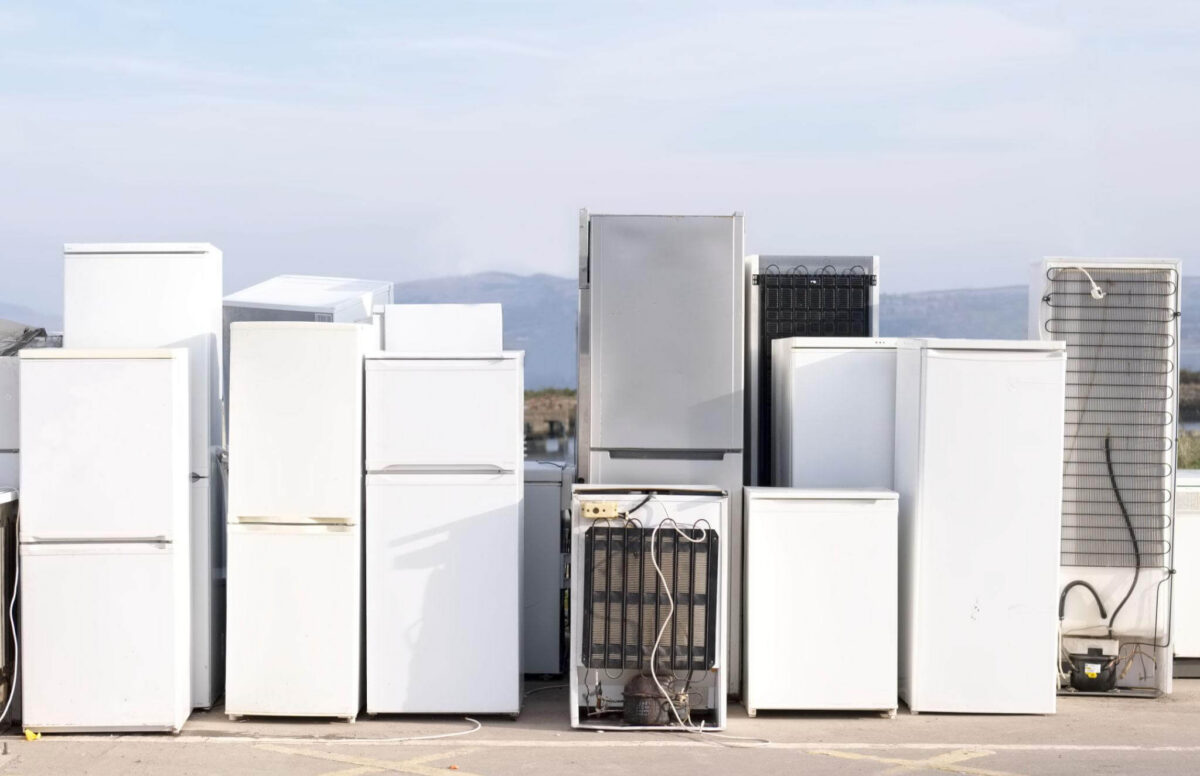
When recycling fridges and freezers in the UK, they are collected as white goods and taken to a recycling centre or recycling plant where refrigerant gases are safely removed, materials including metals, plastics, and insulation are separated, and recovered resources are processed into high-quality recycled materials for reuse in manufacturing.

The process for both fridges and freezers is a structured environmental system designed to manage waste disposal safely while recovering valuable resources. In the UK, these appliances do not go to landfill. Instead, they are processed through regulated systems where every stage is controlled to ensure environmental protection and material recovery.

This process supports the sustainable handling of white goods and ensures that valuable components are reused rather than wasted.

How Fridges and Freezers Move Through the Recycling System

Once collected, fridges and freezers are delivered to a recycling centre or directly to a specialist recycling plant. At this point, each unit is registered and prepared for dismantling under strict environmental regulations.

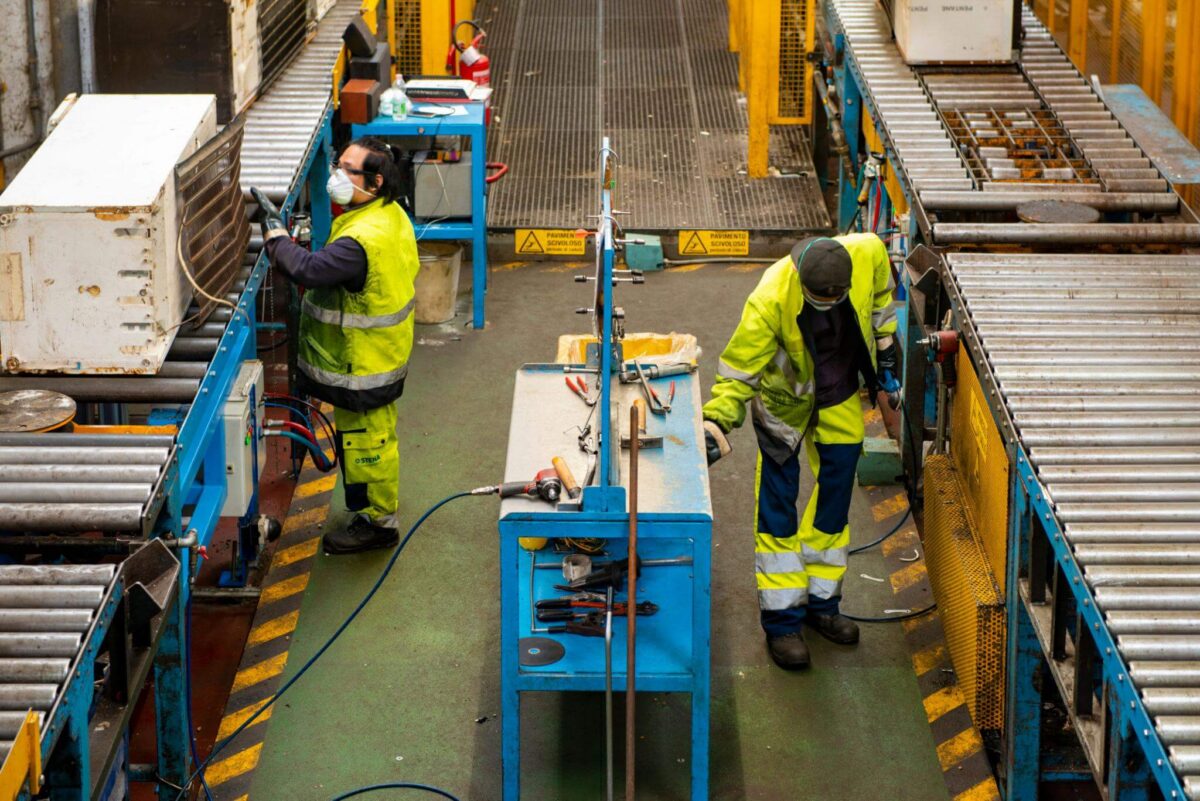
The appliance is first checked for safety before moving onto a conveyor belt system. This system allows controlled movement through each stage of processing, ensuring safe handling and efficient separation of components.

Safe Waste Disposal and Refrigerant Removal

One of the most important stages in waste disposal is the removal of refrigerant gases. These gases can be harmful to the atmosphere if not handled correctly. Specialist equipment extracts them in a sealed environment before any dismantling begins.

Once this is complete, technicians begin breaking down the structure of the appliance. This ensures that fridges and freezers can be processed safely without releasing hazardous substances.

Material Separation and Recycling Plant Processing

Inside a recycling plant, appliances are broken into components such as steel casings, copper wiring, plastic linings, and insulation foam. These materials including metals and polymers are separated using mechanical and magnetic systems.

Steel and aluminium are recovered for reuse in construction and manufacturing. Plastics are processed into new industrial products, while foam insulation is treated to remove harmful residues before disposal or reuse.

The recycling plant is designed to produce high quality recycled materials that can re-enter supply chains efficiently.

Role of Conveyor Belt Systems in Recycling

A conveyor belt plays a central role in modern recycling operations. It moves white goods through different processing stages in a controlled flow, ensuring efficiency and safety.

As the appliance travels along the conveyor belt, different machines and operators remove hazardous components, separate recyclable parts, and prepare materials for shredding. This system improves accuracy and ensures consistent recovery of valuable resources.

Where Recycled Materials Go

After recycling fridges, the separated materials are sent to manufacturing industries. Metals are melted and reused in automotive and construction sectors. Plastics are converted into packaging, insulation, and industrial components.

This closed-loop system reduces the need for raw material extraction and lowers environmental impact across production chains.

Environmental Importance of Recycling Fridges and Freezers

Recycling white goods plays a major role in reducing landfill waste and preventing environmental pollution. It also helps reduce carbon emissions by reusing existing materials instead of producing new ones from raw resources.

Reports on UK waste systems and environmental impact highlight the importance of responsible appliance disposal.

Professional Recycling Services in the UK

Specialist companies manage the full lifecycle of fridge recycling, from collection to processing. These services ensure compliance with environmental standards and improve recovery rates for valuable materials.

Other professional appliance recycling operations can be found in the UK, which applies regulated systems manage white goods efficiently.

Understanding what happens to recycled fridges and freezers shows how advanced UK waste disposal systems protect the environment while recovering valuable materials. From recycling centre collection to processing in a recycling plant, each stage ensures safe handling, efficient separation, and production of high-quality recycled materials that support a circular economy.

How To Recycle a Mini Fridge

To recycle a mini fridge in the UK, you must take it to a licensed waste recycling centre or arrange a local council bulky waste collection service. The appliance must be emptied, defrosted, and prepared before drop-off. It is then safely dismantled so refrigerants, metals, and plastics can be recovered and reused instead of going to landfill. If you’re unsure how to recycle a mini fridge in the UK, your local council or a licensed service can advise on the correct steps.

A mini fridge is treated as large electrical waste, similar to washing machines and fridges and freezers. Disposal must follow UK WEEE regulations. You can either use a recycling point, book a collection service, or visit your nearest recycling facility through your local council. Before disposal, always remove any personal data, unplug the unit, and ensure it is ready for safe processing.

Legal Importance of Recycling Electrical Items in the UK

UK law prohibits disposing of mini fridges in general waste bins marked with a crossed-out wheelie bin. These appliances fall under strict WEEE regulations because they contain refrigerants and metals that require controlled treatment.

Failing to use a licensed waste recycling centre or approved local council system can result in fines and environmental damage. Proper disposal ensures compliance while supporting national recycling targets.

Advanced Methods to Recycle a Mini Fridge in The UK

Local Council Bulky Waste Collection

Most councils provide a structured bulky waste collection service for large electrical appliances. This includes mini fridges, washing machines, and other domestic units. A scheduled collection service removes the appliance directly from your property.

Always confirm availability and find your nearest council booking system to ensure correct scheduling.

Waste Recycling Centre Drop-Off

A licensed waste recycling centre is the most efficient disposal method. These facilities are designed to process electrical items safely.

At the recycling point, trained staff ensure refrigerants are extracted, and materials are sorted for reuse. This guarantees the appliance is properly removed and recycled under UK environmental standards.

Certified Recycling Services

Specialist recycling services collect and process household waste appliances directly from homes or businesses. These services are useful for heavy or inaccessible units.

Preparing A Mini Fridge for Safe Recycling

Before transporting your appliance to a recycling point, it must be fully prepared. The fridge should be unplugged, cleaned, and defrosted to prevent leakage during handling.

You must also remove any personal data if the appliance includes digital memory or smart components. Although rare in mini fridges, this step ensures privacy protection.

Once prepared, it is ready for bulky waste collection or drop-off at your waste recycling centre.

Environmental Impact of Improper Disposal

Improper disposal of mini fridges increases greenhouse gas emissions due to refrigerant leakage. These gases contribute significantly to global warming if not properly managed.

By using a local recycling system, valuable materials such as steel, copper, and aluminium are recovered and reused. This reduces the need for raw material extraction and supports the sustainable manufacturing of new fridges and freezers.

Alternative Reuse Before Recycling

Before choosing disposal, consider reuse options. Functional mini fridges can be donated to charity shops, student accommodation, or community organisations.

Reuse reduces pressure on household waste systems and delays entry into the waste recycling centre stream, improving overall sustainability performance.

Common Compliance Mistakes to Avoid

Many users incorrectly discard mini fridges in general waste bins marked with a crossed-out wheelie bin, which is illegal. Others bypass authorised systems and avoid local council services or recycling points.

It is also important not to abandon electrical items in public areas. Always use official collection service systems or licensed recycling facilities.

Where To Recycle a Mini Fridge in The UK

You can dispose of a mini fridge through:

  • A licensed waste recycling centre

  • Your local council’s bulky waste system

  • A certified recycling point

  • Approved local recycling facilities

  • Verified charity shops (if reusable condition)

Always find your nearest authorised service before transport.

How Are Fridges Recycled?

Fridge recycling is a vital part of modern UK waste management. Through controlled handling of refrigerant gases, insulating foam, and valuable materials, the process ensures environmental protection while supporting sustainable resource recovery.

In the UK, fridges are recycled through a controlled white goods recycling process where refrigerant gases are safely removed, insulating foam is treated, and valuable materials such as ferrous metals are recovered at a recycling plant under strict waste management regulations.

How Are Fridges Recycled in the UK?

In the UK, the process begins when old fridges and freezers are collected from homes or dropped off at authorised recycling centres. These white goods are transported to specialist facilities where each unit enters a structured recycling process designed to protect the environment and recover usable materials.

Unlike general waste, fridges cannot be dismantled casually because they contain refrigerant gases, insulating foam, and electrical components that require controlled handling.

Step-by-Step White Goods Recycling Process

Once a fridge arrives at a recycling plant, it is inspected and prepared for dismantling. The casing is removed first, followed by the internal components.

At this stage, the appliance enters a regulated white goods recycling process where materials are separated systematically. Metals, plastics, and electrical parts are divided into streams for further treatment.

This structured method ensures that each material is recovered efficiently and nothing reusable is wasted.

Safe Removal of Refrigerant Gases

Refrigerant gases are one of the most important environmental risks in fridge disposal. These gases can contribute significantly to greenhouse gas emissions if not properly handled.

During recycling, technicians extract these gases using sealed systems designed to prevent leakage. The extracted gases are then processed through specialised treatment systems as part of regulated refrigerant gases removal and recycling procedures.

This stage plays a key role in reducing climate impact and ensuring compliance with UK environmental laws.

Treatment of Insulating Foam and Internal Components

Modern fridges contain insulating foam that improves energy efficiency during use. However, this foam may contain gases that require careful processing during disposal.

At the recycling facility, the foam is safely broken down and treated under controlled conditions. This prevents harmful emissions and allows additional material recovery.

Other internal parts, including wiring and compressors, are also separated for reuse or recycling depending on their condition.

Role of Waste Management in Fridge Recycling

Effective waste management ensures that fridges and other white goods do not end up in landfill. Instead, they are processed through licensed recycling systems that prioritise recovery and environmental safety.

The UK follows strict regulations under electronic waste rules, which ensure proper handling of household appliances such as washing machines, dishwashers, and refrigeration units.

These systems are designed to reduce pollution and maximise recycling efficiency across the entire sector.

Recycling Plant Operations and Material Recovery

Inside a recycling plant, fridges undergo mechanical and automated processing. Machines shred the units into smaller fragments, making it easier to separate materials.

Ferrous metals such as steel are extracted using magnetic separation, while non-ferrous metals like copper and aluminium are recovered using advanced sorting technology. Plastics are also separated for further processing.

A structured waste management system ensures that all recovered materials are directed to appropriate recycling streams.

Valuable Materials Recovered from Fridges

Fridges contain several reusable materials that make recycling highly efficient. Ferrous metals are among the most commonly recovered elements and are widely used in manufacturing industries.

Copper wiring, aluminium components, and durable plastics are also extracted and repurposed. This reduces the need for raw material mining and supports sustainable production cycles.

Environmental Impact of Fridge Recycling

Recycling fridges significantly reduces environmental damage by preventing harmful refrigerant gases from entering the atmosphere. It also reduces landfill waste and lowers greenhouse gas emissions linked to manufacturing new materials.

By recovering valuable materials, the recycling process conserves natural resources and supports a circular economy in the UK.

Why Proper Recycling Matters for White Goods

White goods like fridges and freezers are large, complex appliances that require specialist handling. Incorrect disposal can lead to environmental pollution and legal penalties.

Proper recycling ensures compliance with UK regulations while promoting responsible consumption and sustainable waste management practices.

Fridges are recycled in the UK by collecting old appliances, safely removing refrigerant gases, breaking down insulating foam, and recovering valuable materials such as ferrous metals at a recycling plant through a regulated waste management system.

Are Fridge Water Filters Recyclable?

Most fridge water filters are not fully recyclable in UK household bins because they contain mixed materials such as plastic filter housings and activated carbon. However, parts of a filter cartridge may be processed through specialist filter recycling schemes or manufacturer take-back programmes, depending on the brand and location. There are only certain components that can be recovered through dedicated programmes.

Fridge water filters are recyclable for UK households using a water filter system to improve drinking water quality, typically through specialist schemes.

These systems rely on activated carbon inside a filter cartridge to remove impurities, but disposal becomes confusing once the filter reaches the end of its life, especially when considering recycling fridge water filter components responsibly.

Understanding filter recycling options helps reduce landfill waste and ensures filter housings and internal materials are managed responsibly.

Are Fridge Water Filters Recyclable in the UK?

In most cases, fridge water filters are not accepted in standard kerbside recycling. This is because they combine multiple materials that cannot be easily separated, including plastics, resins, and activated carbon.

Some UK recycling programmes offer partial solutions for filter cartridge disposal. Guidance on filter recycling explains what can and cannot be processed through official recycling systems.

In general, only specialist systems or manufacturer schemes can process these items properly.

Filter Cartridge Disposal and Environmental Impact

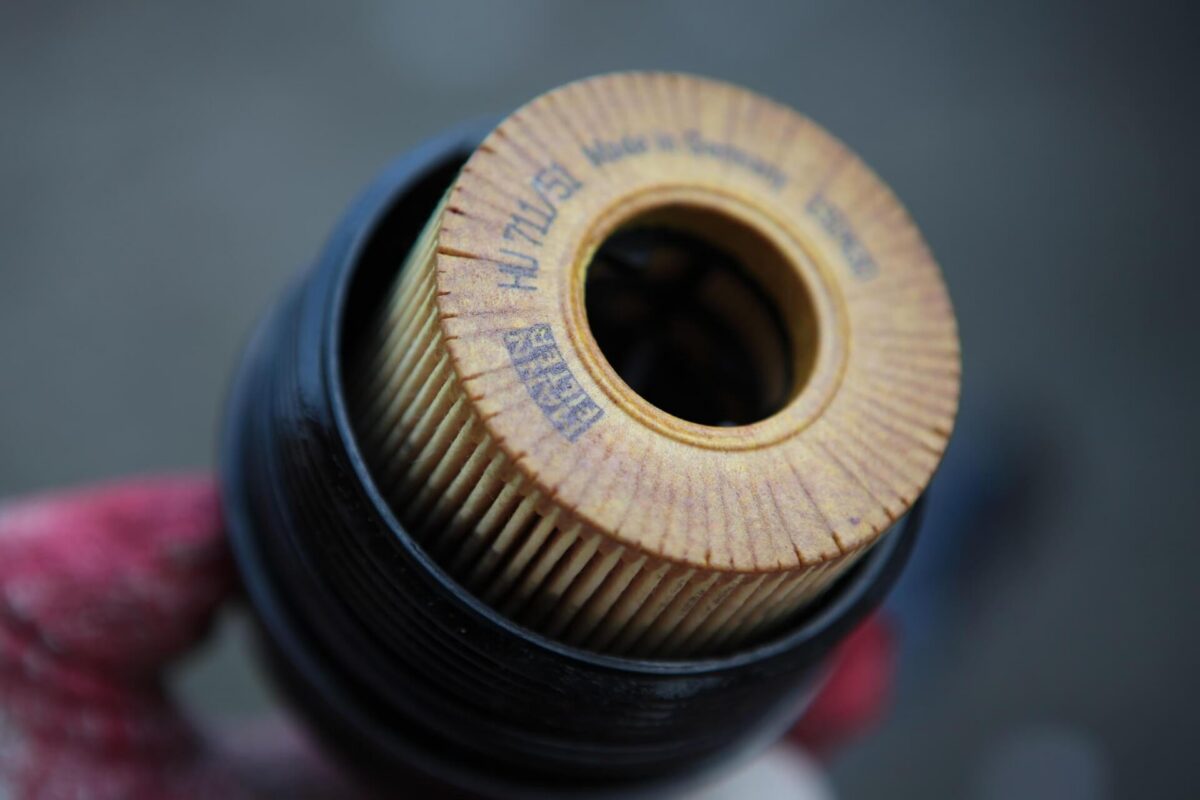
A used filter cartridge cannot be reused in its original form because the activated carbon inside becomes saturated with contaminants. This limits recycling options and increases reliance on specialist waste processing.

Some regions provide dedicated collection points, and filter cartridge recycling schemes explain how certain components may be recovered.

If no recycling programme is available, the cartridge often goes into general waste, which is not ideal from an environmental perspective.

What Is Inside a Water Filter System?

A typical water filter system includes multiple layers designed to improve water quality.

Activated carbon removes chlorine and odours, while fine filtration layers trap particles. The outer structure, known as filter housings, holds everything together.

Because these components are fused, recycling becomes difficult without specialist processing. However, some recovery programmes attempt to separate usable plastics from waste materials through filter housings recycling initiatives.

Why Activated Carbon Limits Recycling

Activated carbon is highly effective at purifying water, but it becomes saturated after use. Once it absorbs impurities, it cannot be cleaned or reused safely in standard recycling systems.

This is one of the main reasons fridge water filters are not widely recyclable. The carbon binds with contaminants, making material recovery complex and costly.

Filter Recycling Options in the UK

Although general recycling is limited, there are several disposal pathways.

For recycling fridge water filter cartridges, some manufacturers operate take-back schemes, while others work with specialist recyclers. These programmes help recover plastics from filter housings and reduce landfill waste.

Research on water filter recycling programmes shows that responsible disposal options are increasing, even if they are not yet universal across all brands.

Local Recycling Guidance and Waste Centres

Local councils may accept certain types of water filter waste at recycling centres, depending on their classification. Some sites treat them as electrical or mixed waste.

At FridgeCycle, we provide specialist fridge and freezer recycling services for businesses and schools across the UK.

Do Recycling Centres Take Fridges?

In the UK waste and recycling system, most recycling centres take fridges as part of controlled household waste disposal and fridge recycling programmes. However, the process depends on local authority rules, whether the item is classified as hazardous waste, and instructions from site staff at the household recycling centre.

This guide explains exactly how fridge disposal works, how to recycle fridges responsibly, what you need to prepare, and how recycling centres manage electrical items safely.

Most recycling centres in the UK accept fridges as part of household waste recycling, but they must be handled as hazardous waste because of refrigerant gases. Under controlled conditions, recycling centres handle fridges. You should take them to a reliable household recycling centre, follow site staff instructions, and ensure the fridge is emptied and prepared before disposal. Some councils may require you to apply for a permit if the fridge is classed as trade waste or part of a commercial load.

Do Recycling Centres Take Fridges in UK Waste and Recycling Systems?

Across the UK, recycling centres accept them under regulated waste and recycling rules, but only through controlled handling processes.

According to official waste and recycling guidance used by local councils such as Norfolk County Council waste and recycling guidance, fridges are classified as electrical waste and must be separated from general items like plastic bottles, light bulbs, engine oil, and cooking oil.

At most sites, a member of staff or site staff will direct you to the correct unloading area. This ensures all items entering the household recycling centre are sorted safely and efficiently.

Some centres may restrict trade waste unless you apply for a permit, especially if large quantities of electrical goods are involved.

How Recycling Centres Handle Fridges

When a fridge arrives at a recycling centre, it is treated as hazardous waste because it contains refrigerant gases and insulating materials that require specialist removal.

The appliance is stored in a controlled area before being collected by licensed waste contractors. It is then broken down into recyclable materials such as metal, plastic, and glass.

Other household items like recycling bins contents, light bulbs, and engine oil are processed in separate streams to prevent contamination. This strict separation is part of modern UK waste and recycling systems designed to reduce environmental impact.

In many councils, including Derbyshire waste acceptance guidelines, fridges are accepted under regulated electrical waste rules, confirming they must be handled separately from general household waste.

Preparing Your Fridge for a Household Recycling Centre

Before taking your fridge to a household recycling centre, it must be fully emptied, defrosted, and cleaned. This prevents leaks and contamination during transport and disposal.

Please note that some recycling centres require items to be placed in designated areas before unloading. Site staff will normally advise you on arrival.

In some cases, old appliances may be reused in a DIY project, but only if they are completely disconnected and safe. However, most fridges should be recycled rather than reused due to hazardous waste components.

Correct preparation ensures smooth processing at the recycling centre and reduces delays.

Local Rules, Trade Waste, and Permits

Different councils have different rules for waste and recycling disposal. Household waste is usually accepted freely, but trade waste is often restricted.

If you are disposing of multiple appliances or business-related items, you may need to apply for a permit before entering the recycling centre. This helps councils separate household and commercial waste streams.

Some centres also regulate bulky electrical waste to ensure compliance with environmental standards.

Guidance from Lancashire recycling centres waste acceptance confirms that fridges and freezers are accepted under strict conditions to ensure safe processing.

Environmental Benefits of Recycling Fridges

Fridge recycling plays an important role in reducing environmental damage. Refrigerant gases inside old appliances can harm the atmosphere if not properly removed.

Recycling centres recover valuable materials such as metals and plastics, reducing the need for raw material extraction. This supports long-term sustainability in UK waste and recycling systems.

Proper disposal also helps reduce landfill use and improves efficiency in household recycling centres across the country.

Other Items Accepted at Recycling Centres

Most recycling centres accept a wide range of household waste materials. These often include light bulbs, engine oil, cooking oil, plastic bottles, and general household waste.

However, each centre may have specific rules on how these items should be separated using recycling bins or designated drop-off areas.

Some materials are classed as hazardous waste and must be handled carefully under supervision from site staff.

Where to Dispose of a Fridge in the UK

You can dispose of a fridge at your nearest household recycling centre, where staff will guide you through the process. Many councils also offer bulky waste collection services if you cannot transport the appliance yourself.

Guidance from Gloucestershire recycling centres confirms that fridges are accepted as part of controlled electrical waste streams across most UK locations.

Always check your local council website before visiting to confirm opening times and booking requirements.

So, Yes, most UK recycling centres accept them as part of controlled household waste disposal. However, they must be treated as hazardous waste and handled according to site staff instructions at the household recycling centre. By following proper  preparation steps and local council rules, you can dispose of fridges safely, reduce environmental impact, and support efficient waste and recycling systems across the UK.

How Does A Fridge Freezer Combo Work?

A fridge freezer combo is one of the most common types of household appliances, combining two essential functions into one unit: keeping food chilled in the refrigerator section and frozen in the freezer section. 

But how does it actually work? Let’s break it down.

The Basics Of A Fridge Freezer Combo

At its core, a fridge freezer uses a refrigeration cycle powered by a compressor, condenser, and evaporator. This system circulates refrigerant gas, which absorbs heat from inside the appliance and releases it outside, keeping the interior cold.

The freezer section is usually the “engine” of the unit, generating the cold air that is then shared with the fridge compartment through internal vents and fans.

Shared Cooling System

Most fridge freezers use a single compressor to cool both sections. The refrigerant passes through the freezer first, ensuring it reaches the lowest temperatures required for safe long-term food storage. Some of this chilled air is then diverted into the fridge compartment, where temperatures are kept slightly warmer for fresh food and drinks.

Higher-end or commercial-style models may have separate cooling systems for the fridge and freezer, offering better temperature control and reducing odours transferring between compartments.

Temperature Regulation

Modern fridge freezers come with thermostats and sensors that monitor the temperature in both compartments. When the temperature rises above the set level (for example, when the door is opened), the compressor switches on to bring it back down.

Many models also include:

  • Frost-free technology – prevents ice build-up by circulating dry air.
  • Digital temperature controls – allowing precise settings for each compartment.
  • Fast freeze functions – rapidly lowers freezer temperature to lock in freshness.

Energy Efficiency

Because fridge freezers run continuously, manufacturers design them to be as energy efficient as possible. Features like improved insulation, inverter compressors, and LED lighting help reduce electricity usage while maintaining safe storage temperatures.

Why Businesses And Households Choose Fridge Freezer Combos

Fridge freezer combos are popular because they offer:

  • Space-saving convenience (two appliances in one).
  • Reliable storage for both fresh and frozen foods.
  • Cost efficiency compared to buying separate units.

For businesses, larger commercial fridge freezers provide the same principle but on a much bigger scale, ensuring stock is kept safe and compliant with food hygiene regulations.

End Of Life: Recycling Fridge Freezer Combos

Like all refrigeration appliances, fridge freezer combos contain refrigerant gases and electrical components that must be disposed of safely. They are classed as WEEE (Waste Electrical and Electronic Equipment) and cannot be put into general waste or skips.

At FridgeCycle, we specialise in the collection, disposal, and recycling of fridge freezers for businesses across the UK. We ensure all units are depolluted and recycled responsibly, helping you stay compliant and reduce environmental impact.

What Is A Commercial Fridge?

Commercial Fridges & Freezers

A commercial fridge is a refrigerator designed specifically for use in professional environments. This might include restaurants, cafes, bars, supermarkets, hotels, and other businesses that require reliable food and drink storage. 

Unlike domestic fridges, commercial fridges are built for heavy-duty use, offering larger storage capacity, faster cooling, and greater durability.

They are essential for keeping food and beverages at safe temperatures, ensuring compliance with food hygiene standards, and supporting the day-to-day operations of businesses that handle perishable goods.

What Are Examples Of Commercial Fridges?

Commercial refrigeration comes in many different forms depending on the type of business and storage needs. Common examples include:

  • Upright fridges – Tall, cabinet-style fridges ideal for storing large quantities of food in kitchens and food preparation areas.
  • Counter fridges – Refrigerated units built into work counters, giving chefs easy access to ingredients while preparing meals.
  • Display fridges – Glass-fronted fridges used in shops, cafes, and supermarkets to showcase chilled products to customers.
  • Under-counter fridges – Compact units that fit neatly beneath counters, commonly used in bars and smaller kitchens.
  • Walk-in fridges – Large cold storage rooms that allow staff to walk inside and organise stock, typically used by hotels, supermarkets, and wholesalers.

Each type is designed with a specific purpose in mind, ensuring businesses can balance accessibility, storage space, and temperature control.

What Is The Difference Between Commercial And Domestic Fridges?

The key differences between commercial and domestic fridges lie in their design, capacity, and performance:

  • Durability & Build Quality – Commercial fridges are made from stronger materials such as stainless steel, designed to withstand constant use and frequent opening. Domestic fridges are built for lighter, everyday household use.
  • Cooling Power – Commercial units are equipped with more powerful compressors and cooling systems, allowing them to maintain safe temperatures even when frequently restocked or opened.
  • Size & Capacity – Commercial fridges are generally larger and designed to store bulk quantities of food and drink, whereas domestic fridges are smaller and focused on family needs.
  • Regulations & Safety – Businesses must meet food safety standards, so commercial fridges often come with features like precise temperature controls, easy-to-clean interiors, and alarms for temperature fluctuations.
  • Cost & Energy Use – Commercial fridges are more expensive upfront and consume more energy, but they are essential for businesses that rely on reliable food storage.

In short, a domestic fridge is built for convenience at home, while a commercial fridge is built for performance, durability, and compliance in business settings.

If you need help disposing of your commercial fridge, freezer or vending machine, we provide UK-wide collections. Get in touch today to find out more about our fridge and freezer recycling services.

Can I Take A Fridge To A Recycling Centre?

Can You Dispose Of Fridges At Recycling Centres?

Yes, in most cases you can take a fridge or freezer to a local Household Waste Recycling Centre (HWRC), also known as a tip. These centres are licensed to handle WEEE (Waste Electrical and Electronic Equipment), which includes refrigeration units containing harmful refrigerant gases.

However, this option is typically intended for domestic appliances rather than large commercial fridges or freezers, or multiple units. Instead, you should arrange for a licensed waste carrier to collect and recycle your appliances in compliance with UK regulations.

What Are The Disadvantages?

While recycling centres are a convenient option for households, there are some clear drawbacks:

  • Transport difficulties – Fridges and freezers are heavy, bulky, and awkward to move, often requiring a van and lifting equipment.
  • Access restrictions – Some recycling centres require permits for vans or larger vehicles, and may turn away commercial waste.
  • Time and labour – Businesses often cannot afford the downtime or staff effort needed to transport appliances to a site.

What Electrical Appliances Can You Take To A Recycling Centre?

Most recycling centres across the UK accept a wide range of WEEE (Waste Electrical and Electronic Equipment). This includes both small everyday items and larger appliances. Examples are:

  • Refrigeration equipment – Fridges, freezers, fridge freezers, vending machines.
  • Large domestic & commercial appliances – Washing machines, tumble dryers, cookers, ovens, dishwashers.
  • Small appliances – Kettles, toasters, microwaves, blenders, coffee machines.
  • IT and telecoms equipment – Laptops, desktop computers, monitors, printers, phones, servers.
  • Consumer electronics – TVs, speakers, DVD players, games consoles.
  • Lighting equipment – Fluorescent tubes, LED lamps, halogen lamps, desk lamps.
  • Tools & equipment – Power tools, lawnmowers, strimmers, drills, saws, sanders.
  • Miscellaneous electricals – Vacuum cleaners, electric heaters, fans, hairdryers, shavers, chargers.

Why Should Businesses Use A Collection Service?

For businesses, using a professional fridge and freezer collection service is the safest, most efficient, and legally compliant option. Here’s why:

  • Convenience – The unit is collected directly from your premises, saving you time and effort.
  • Compliance – Licensed waste carriers ensure that appliances are depolluted and recycled according to UK WEEE regulations.
  • Safety – Professionals handle hazardous materials like refrigerant gases, protecting both people and the environment.
  • Traceability – You receive the proper paperwork (such as a Waste Transfer Note), proving your business has disposed of its fridge responsibly.

At FridgeCycle, we specialise in the collection and recycling of fridges, freezers, and vending machines for businesses across the UK. Our service ensures you stay compliant, avoid unnecessary risks, and contribute to responsible recycling.